 agile-training.co.uk
Scrum Training for Non-Technical Teams
Why Non-Technical Teams Are Turning to Scrum
Scrum was built on a software development site in the 1990s, but its core mechanics apply to any team managing a backlog of work, deadlines, and shifting priorities. Marketing departments launching campaigns, HR teams redesigning onboarding, and finance functions preparing quarterly reports all face the same fundamental problem: too much work, too little visibility, and too many late surprises. Scrum gives those teams a lightweight structure to fix that.
The adoption rate among non-technical teams has grown sharply over the past few years. A marketing team at a mid-sized consumer brand, for example, can run two-week sprints to plan content, review performance metrics, and adjust messaging before the next cycle begins. The process keeps every stakeholder aligned without a single Gantt chart.

What Scrum Actually Involves for Business Teams
At its core, scrum organises work into short, fixed-length cycles called sprints, typically one to four weeks long. Each sprint begins with a planning session where the team selects items from a prioritised list, called a product backlog, and commits to completing them. Daily stand-ups of 15 minutes keep everyone on track and surface blockers early. A retrospective at the sprint's end creates a feedback loop that improves the process itself.
For non-technical teams, the language shifts slightly. An HR team might call their backlog a "project queue" and their product owner a "department lead." The mechanics stay identical. The benefit is the same too: smaller, visible chunks of work completed at a steady pace, rather than a large project collapsing at the deadline.

How Training Is Tailored for Marketing, HR, and Finance
Generic scrum courses default to software examples, which creates a friction point for non-technical attendees. Good scrum training for non-technical teams replaces those examples with scenarios that reflect the actual work of each function.
Marketing Teams
A marketing-focused scrum workshop typically builds a sample sprint around a product launch. Participants write user stories from a customer's perspective, such as: "As a prospect, I want to see a comparison page so I can evaluate options quickly." Sprint tasks map to deliverables like landing pages, email sequences, and paid media copy. The team practises estimating effort using story points rather than hours, which reduces arguments about individual workload.
HR Teams
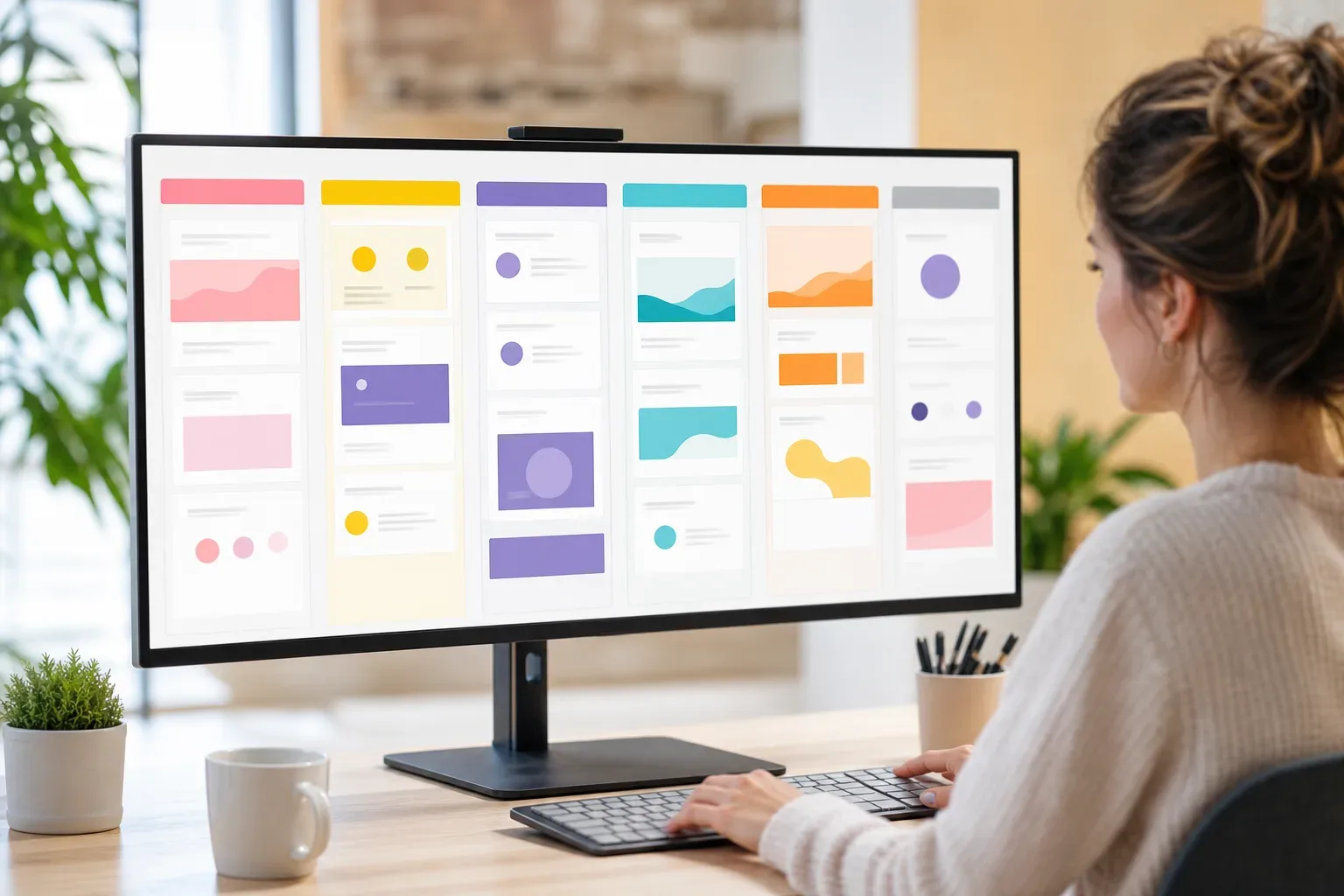
HR applications tend to centre on project-based work: policy rewrites, recruitment campaigns, or learning and development programmes. A sprint board in HR might show columns for "To Do," "In Review," and "Signed Off" rather than "Dev" and "QA." Training workshops for HR professionals spend extra time on stakeholder management, particularly on how to handle requests that arrive mid-sprint and pressure the team to change course.
Finance Teams
Finance teams often have rigid compliance deadlines that feel incompatible with iterative working. Training addresses this directly by showing how scrum can sit alongside fixed reporting cycles. A finance team might run a sprint focused entirely on automating a reconciliation process, completing testable steps each week rather than waiting for a perfect solution to emerge after three months.
Choosing the Right Scrum Training Format
Courses range from a single half-day introduction to multi-day workshops that lead to a certification. The right choice depends on how deeply the team wants to embed scrum rather than simply understand it.
A half-day session gives a team enough vocabulary and structure to run a pilot sprint. A two-day Professional Scrum Master (PSM 1) preparation course includes enough depth to certify a team member who can then coach the rest of the group. Online courses from providers such as Scrum.org or Agile Centre offer self-paced options starting around £300 per person, while in-person facilitated workshops for a full team typically run between £1,800 and £4,500 depending on group size and customisation.
Teams that skip formal training and rely on a blog post or a template often stall after a few sprints. Without understanding the reasoning behind each ceremony, teams drop the retrospective first, then the daily stand-up, and are left with nothing but a Trello board.
What the Role of a Scrum Master Looks Like Outside of Tech
In non-technical teams, the Scrum Master role is often filled part-time by someone who also does delivery work. That is a reasonable starting point, though it creates a conflict of interest if the person is also completing sprint tasks. The Scrum Master's job is to protect the team's focus, remove obstacles, and facilitate ceremonies without directing the work itself.
For a marketing team, that might mean blocking a director from dropping three new briefs into the sprint on a Tuesday afternoon and negotiating a later sprint entry instead. For an HR team, it might mean chasing down sign-off on a policy document so the team can mark a task complete. The role is part process guardian, part diplomatic buffer.

Common Mistakes Non-Technical Teams Make with Scrum
The most frequent error is treating scrum as a reporting tool rather than a delivery framework. Teams fill in a sprint board for a manager's benefit without actually planning or committing to sprint goals. The board becomes wallpaper within six weeks.
A second common mistake is running sprints that are too long. Four-week sprints for a team new to scrum stretch the feedback loop and allow problems to compound before the retrospective can address them. Starting with two-week sprints gives teams a faster learning cycle and builds confidence earlier.
Over-engineering the backlog is a third pitfall. A marketing backlog with 300 items, each with five sub-tasks, creates more overhead than the sprint itself resolves. Keep backlog items small enough to complete in a single sprint and detailed enough to be unambiguous about the outcome expected.
Getting Started Without Overhauling Everything
A team does not need to adopt scrum across all its work at once. Picking one project or one stream of ongoing work as a pilot is a practical first step. Run two or three sprints, hold genuine retrospectives, and measure whether work is completing faster and with fewer last-minute panics before expanding the approach.
Training accelerates that process by giving the team a shared mental model from day one. Without it, each team member arrives with a different idea of what a sprint goal means, what belongs in a stand-up, and what happens when a task overruns. A single day of structured training, grounded in the team's own context, closes that gap and makes the first pilot sprint productive rather than experimental.

Frequently Asked Questions
What Is the Role of a Scrum Master in an Agile Team?
The Scrum Master is responsible for facilitating scrum ceremonies, removing obstacles that slow the team down, and protecting the team's focus during a sprint. They do not manage the team or direct the work; that responsibility sits with the product owner and the team itself. In non-technical settings, the Scrum Master often acts as a buffer between delivery work and external stakeholders who want to redirect priorities mid-sprint.
Will AI Replace Scrum Master?
AI tools can automate parts of the Scrum Master role, such as flagging blocked tasks, summarising retrospective notes, or tracking sprint velocity over time. However, the interpersonal work of coaching a team, managing stakeholder expectations, and facilitating difficult conversations is not something current AI can replicate reliably. The role is likely to shift toward higher-level coaching and change management as AI handles administrative overhead.
Is the PSM 1 Exam Open Book?
The PSM 1 exam from Scrum.org is technically open book in the sense that you can access any resource while sitting it, but the 60-minute time limit for 80 questions makes looking things up during the exam impractical. Candidates who rely on searching rather than genuine understanding typically run out of time. Thorough preparation using the Scrum Guide and practice assessments is the most effective approach.
How Long Does It Take for a Non-technical Team to Learn Scrum?
A team can grasp the fundamentals of scrum in a single day of structured training and run their first sprint within a week of that session. Building genuine fluency, where the ceremonies feel natural and the team self-corrects without a facilitator, typically takes three to five sprints, which amounts to six to ten weeks at a two-week sprint cadence. Ongoing coaching during that period significantly reduces the time to competence.
Do Non-technical Teams Need Scrum Certification?
Certification is not required to use scrum effectively, but having at least one certified Scrum Master on the team provides a credible internal reference point for resolving process disagreements. Certifications such as PSM 1 from Scrum.org or CSM from the Scrum Alliance validate that the holder understands the framework as written, rather than a simplified version picked up informally. For teams embedding scrum long-term, certifying one or two members is a worthwhile investment.